Part 1 — Introduction, project layout, design area, governing sprinkler, and the fundamentals of pipe sizing optimization.
Introduction
Fire sprinkler systems are critical components of building safety, designed to control and suppress fire by delivering water at the required flow and pressure. In hydraulic system design, engineers often focus on reducing friction loss by increasing pipe diameter. However, this approach does not always reduce total system demand.
In many cases, pipe sizing affects not only pressure loss, but also how water is distributed among sprinklers throughout the network. Instead of assuming that larger pipes always improve hydraulic performance, engineers must evaluate how sizing changes influence governing sprinkler performance, upstream flow distribution, and overall hydraulic demand.
This article explains how pipe sizing can be used as a practical optimization tool in sprinkler system design, based on real hydraulic behavior rather than oversimplified assumptions.
Project Layout and System Overview
The system under consideration is an Ordinary Hazard Group 2 wet pipe sprinkler system designed using standard hydraulic criteria. The layout includes branch lines, cross mains, and multiple sprinklers arranged to protect the required design area.
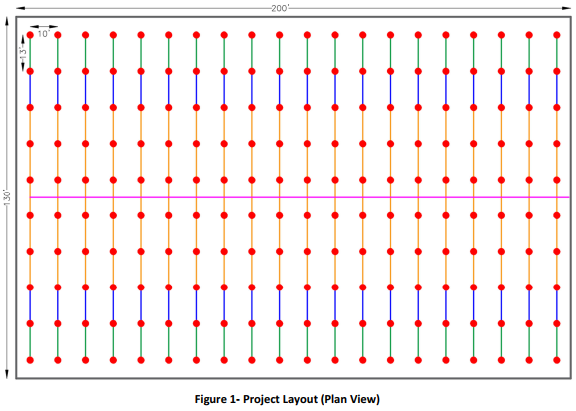
The plan view helps identify the branch arrangement, pipe routing, and the extent of the hydraulic design area. It also helps show how water travels through the piping network to reach the most hydraulically remote sprinkler.
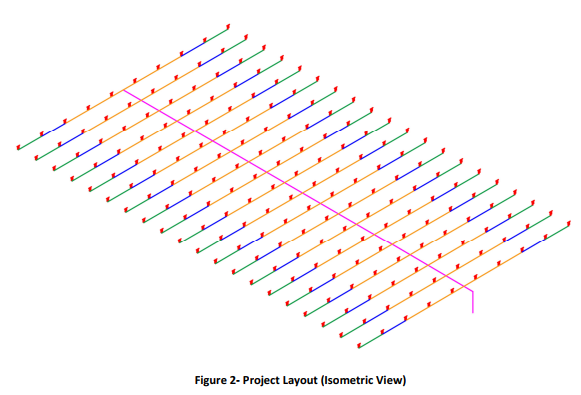
The isometric view provides a three-dimensional understanding of the piping arrangement and makes it easier to see how branch lines and mains interact hydraulically.
Design Area Selection
Hydraulic calculations are performed based on a required design area. In this example, the system uses a density of 0.20 gpm/ft² over a design area of 1500 ft². This design area determines which sprinklers are included in the hydraulic calculation and establishes the baseline water demand.
Proper design area selection is essential because it controls which sprinklers contribute to the system demand and helps identify the governing hydraulic condition.
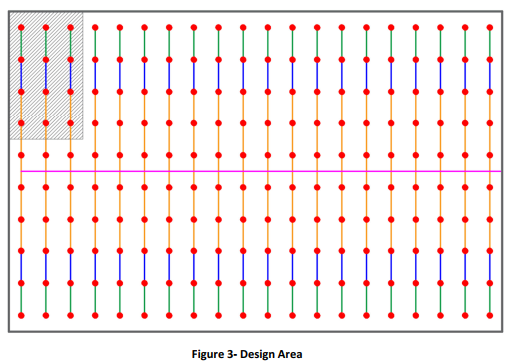
Most Remote Compartment and Governing Sprinkler
In sprinkler system hydraulics, the most remote sprinkler or compartment often governs the required system pressure. This is the location where water must arrive with sufficient residual pressure to satisfy the discharge requirement.
Because this sprinkler is hydraulically disadvantaged, it usually determines the minimum pressure requirement for the entire system. Once the governing sprinkler is satisfied, the designer must then evaluate how the rest of the system behaves.
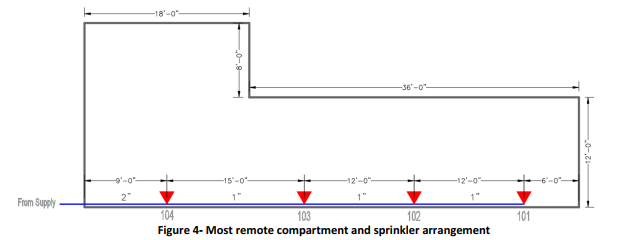
A practical hydraulic result in this analysis is that a flow rate of 20.65 gpm yields the correct pressure at a critical sprinkler, showing the close relationship between sprinkler pressure and discharge flow.
Understanding Pipe Sizing as an Optimization Tool
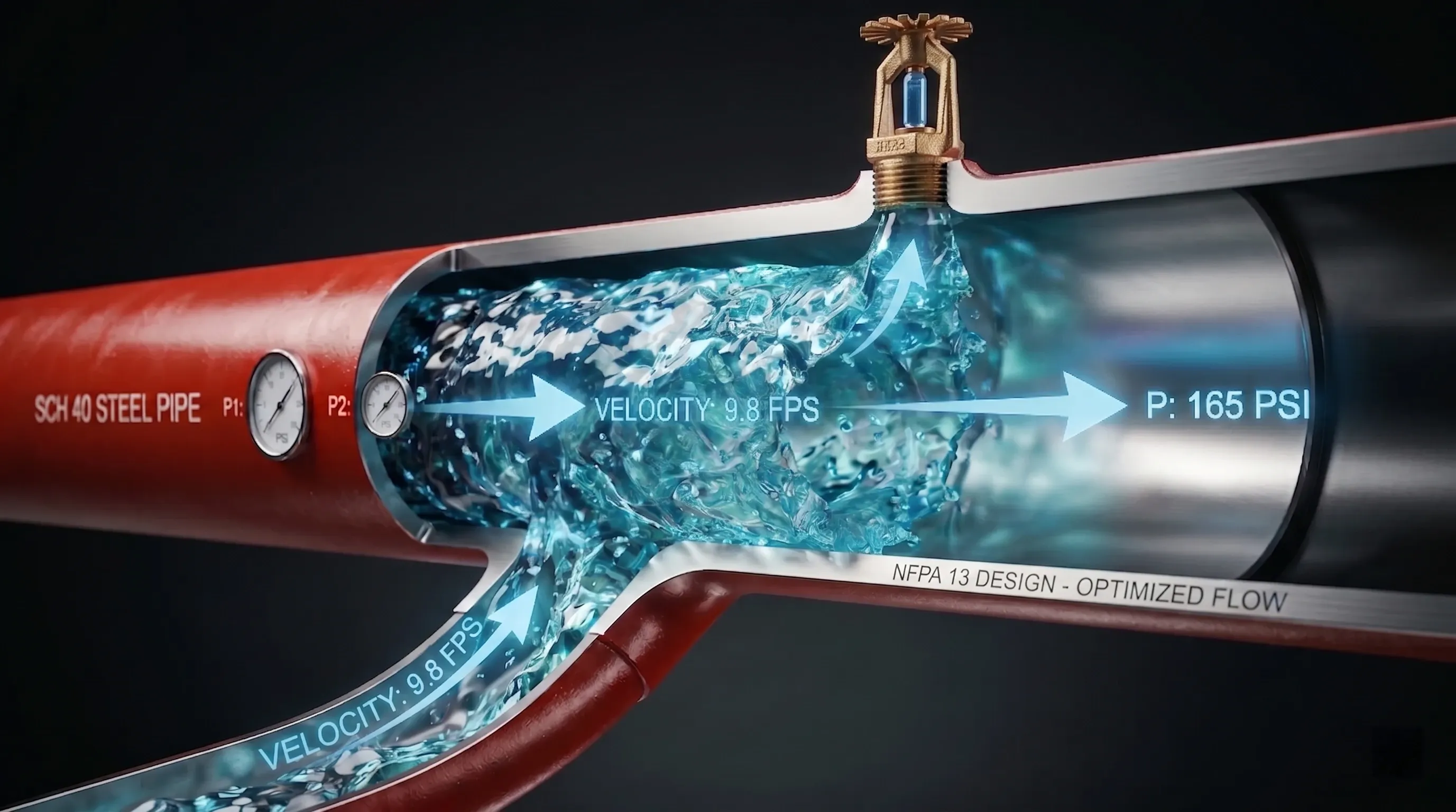
Pipe sizing has a direct influence on hydraulic demand, but not always in the way designers expect. Larger pipes reduce friction loss, which appears beneficial at first. However, lower friction loss also preserves more pressure at upstream sprinklers, causing them to discharge more water.
For this reason, pipe sizing should not be treated as a simple “larger is better” decision. It should be treated as a hydraulic optimization problem that balances pressure loss reduction against flow control throughout the network.



No comments yet. Be the first to share your thoughts!