Hydraulic Calculations for Fire Sprinkler Systems
◰ Design Area - Part 5: Room Design Method (NFPA 13)
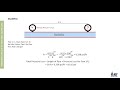
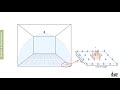
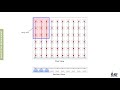
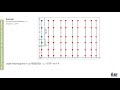
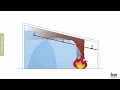
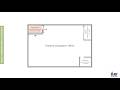
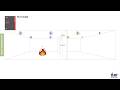
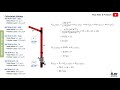
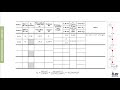
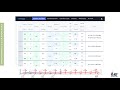
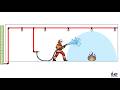
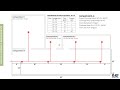
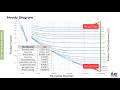
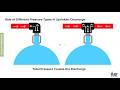
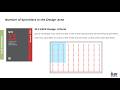
Over the first four parts of this design area series, we explored the concept of the design area—focusing especially on the Density/Area Method, which, as we discussed, largely overlooks the impact of walls. In this video, we shift to a different approach—one where walls and doors play a defining role in shaping the design area. This is the Room Design Method, and we’ll see how applying it can reduce system demand and even allow for smaller pipe sizes in real world projects. 🔹 𝐓𝐨𝐩𝐢𝐜𝐬 𝐂𝐨𝐯𝐞𝐫𝐞𝐝: ✅ Introduction ✅ Room vs. Compartment Terminology ✅ Wall and Door Requirements ✅ Room Separation ✅ Applying the Requirements ✅ Additional Hydraulic Criteria 𝐑𝐞𝐜𝐨𝐦𝐦𝐞𝐧𝐝𝐞𝐝 𝐏𝐫𝐞𝐫𝐞𝐪𝐮𝐢𝐬𝐢𝐭𝐞 𝐕𝐢𝐝𝐞𝐨𝐬: • 🚨 Small Room Rule (NFPA 13) • 💧 Density in Fire Sprinkler System Design ... • ◰ Design Area – Part 1: Basic Concepts (NF... • ◰ Design Area – Part 2: Beyond Basics (NFP... • ◰ Design Area – Part 3: Adjustments (NFPA 13) • 🧮 Step-by-Step Hydraulic Calculation Examp... #FireProtection #NFPA13 #SprinklerDesign #HydraulicCalculations #DesignArea #RoomDesign #hesamtavoosi 0:00 Introduction to Room Design Method 0:48 Why "Room" and not "Compartment"? (NFPA 13 Definitions) 2:02 Core Principles & Fire Resistance Requirements 3:28 Door & Opening Protection (Automatic vs. Self-Closing) 4:21 Criteria for Treating Spaces as Separate (Lintel Depth & Width) 5:52 Practical Example: Determining Number of Operating Sprinklers 8:06 Special Cases: Corridors & Single Lines of Sprinklers 9:11 Calculating System Demand & Hydraulics 10:23 Room Design Method vs. Density/Area Method 10:51 Strategic Tips for Reducing System Demand & Costs
Course Content
17 Videos