Hydraulic Calculations for Fire Sprinkler Systems
◰ Design Area - Part 4: Walls & Density/Area Method (NFPA 13)
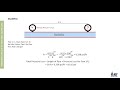
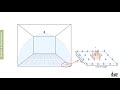
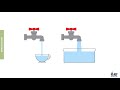
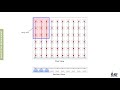
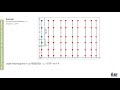
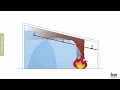
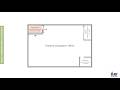
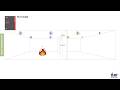
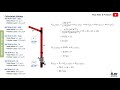
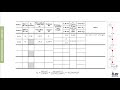
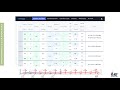
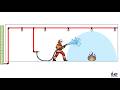
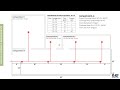
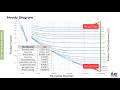
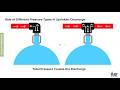
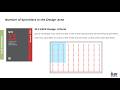
When applying the Density/Area Method, walls are often ignored. In this video, we’ll look at the situations where walls can influence the design area or impact the hydraulic calculations when using the Density/Area Method, and we’ll get familiar with techniques that help reduce the overall system demand. The concepts we explore here are more advanced in nature and intended for designers who already have a solid understanding of hydraulic calculations. 🔹 𝐓𝐨𝐩𝐢𝐜𝐬 𝐂𝐨𝐯𝐞𝐫𝐞𝐝: ✅ Introduction ✅ Wall Effects on Design Area Length ✅ Wall Effects on Design Area ✅ Small Compartment Allowance ✅ Phantom Flow 𝐑𝐞𝐜𝐨𝐦𝐦𝐞𝐧𝐝𝐞𝐝 𝐏𝐫𝐞𝐫𝐞𝐪𝐮𝐢𝐬𝐢𝐭𝐞 𝐕𝐢𝐝𝐞𝐨𝐬: https://www.youtube.com/watch?v=tFE6p8a4In0 https://www.youtube.com/watch?v=W7Iowc12Z94 https://www.youtube.com/watch?v=MLzKGlqLcg0 https://www.youtube.com/watch?v=3y7tnLr86cE https://www.youtube.com/watch?v=DzGp9I5jojc https://www.youtube.com/watch?v=GV4ujJbIlSw https://www.youtube.com/watch?v=Cx0O_ippa24 https://www.youtube.com/watch?v=0mrerqLDnxw https://www.youtube.com/watch?v=M0kZuunL4Ds #FireProtection #NFPA13 #SprinklerDesign #HydraulicCalculations #DesignArea #DensityArea #hesamtavoosi 00:00 Introduction: How Walls Affect Design Area 00:34 Example: Walls Influencing Design Area Length 01:50 Actual Discharge Area vs. Nominal Coverage 04:04 Small Compartment Allowance (Closets & Washrooms) 06:16 Applying the Small Compartment Flow Exclusion 07:58 Evaluating a Second Design Area for Worst-Case Demand 09:03 Room Design Method & Fire Resistance Ratings 10:18 Introduction to "Phantom Flow" 11:31 How to Calculate Phantom Flow (Step-by-Step) 12:47 Where to Add Phantom Flow (NFPA 13 2019 vs. 2022) 13:36 Why the 2022 Update Simplifies Calculations 15:33 Final Design Considerations & Further Resources
Course Content
17 Videos