System Component and Hardware Series
This educational series takes a deep dive into the hardware and components of water-based fire protection systems—guided by NFPA 13, 14, and 25 standards. Each episode breaks down essential features, installation practices, and code requirements to help engineers, inspectors, and designers optimize system performance and ensure long-term reliability.
🚒 Fire Department Connections- Part 1
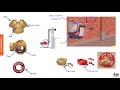
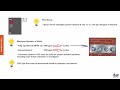
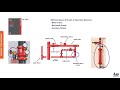
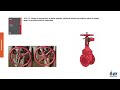
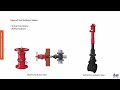
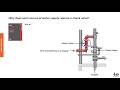
FDCs are one of the most essential components of fire protection systems. They serve as the external inlet for sprinkler and standpipe systems, allowing fire engines to deliver the pressure and flow needed during a fire. However, the requirements for FDCs differ between sprinkler and standpipe systems, particularly in terms of sizing and the number of connections. For anyone working as a designer, consultant, or inspector in fire protection, understanding these differences is fundamental. In Parts 1 and 2 of this series, we explained the full set of requirements. In Part 1, we focus on: 🔹 The purpose of FDCs and when buildings may not require them 🔹 Key differences between NFPA 13 and NFPA 14 requirements 🔹 Types of FDCs, their sizing, arrangement, and installation considerations 🔹 Practical design notes every engineer should keep in mind 💡 We’ve done our best to present these differences in a clear, practical, and tangible way, so that professionals can apply them directly in real-world fire protection projects. #FireProtection #NFPA13 #NFPA14 #SprinklerDesign #StandpipeSystem #FDC #FireSafety #EngineeringEducation #NSVCAD #RahilKiaghadi 00:00 Introduction to Fire Department Connections (FDCs) 00:34 Overview: Purpose, Components, and System Types 01:21 The Dual Purpose of an FDC 02:53 FDC Requirements: NFPA 13, 13R, 13D, and 14 04:20 Main Components of an FDC Assembly 05:04 Internal Parts: Swivels, Gaskets, and Clappers 06:10 Protecting Inlets: Threaded Caps vs. Breakaway Caps 07:00 Three Main Types: Exposed, Flush, and Freestanding 08:13 Installation: Wet, Dry, Pre-action, and Deluge Systems 10:45 FDC Placement in Standpipe Systems (NFPA 14) 11:48 Flow and Pressure Demands for Sprinkler Systems 13:00 Pipe Sizing Requirements for FDC Connections 13:28 FDC Simplicity in NFPA 13R (Residential) 14:04 NFPA 14: Ensuring Full System Demand
Course Content
10 Videos